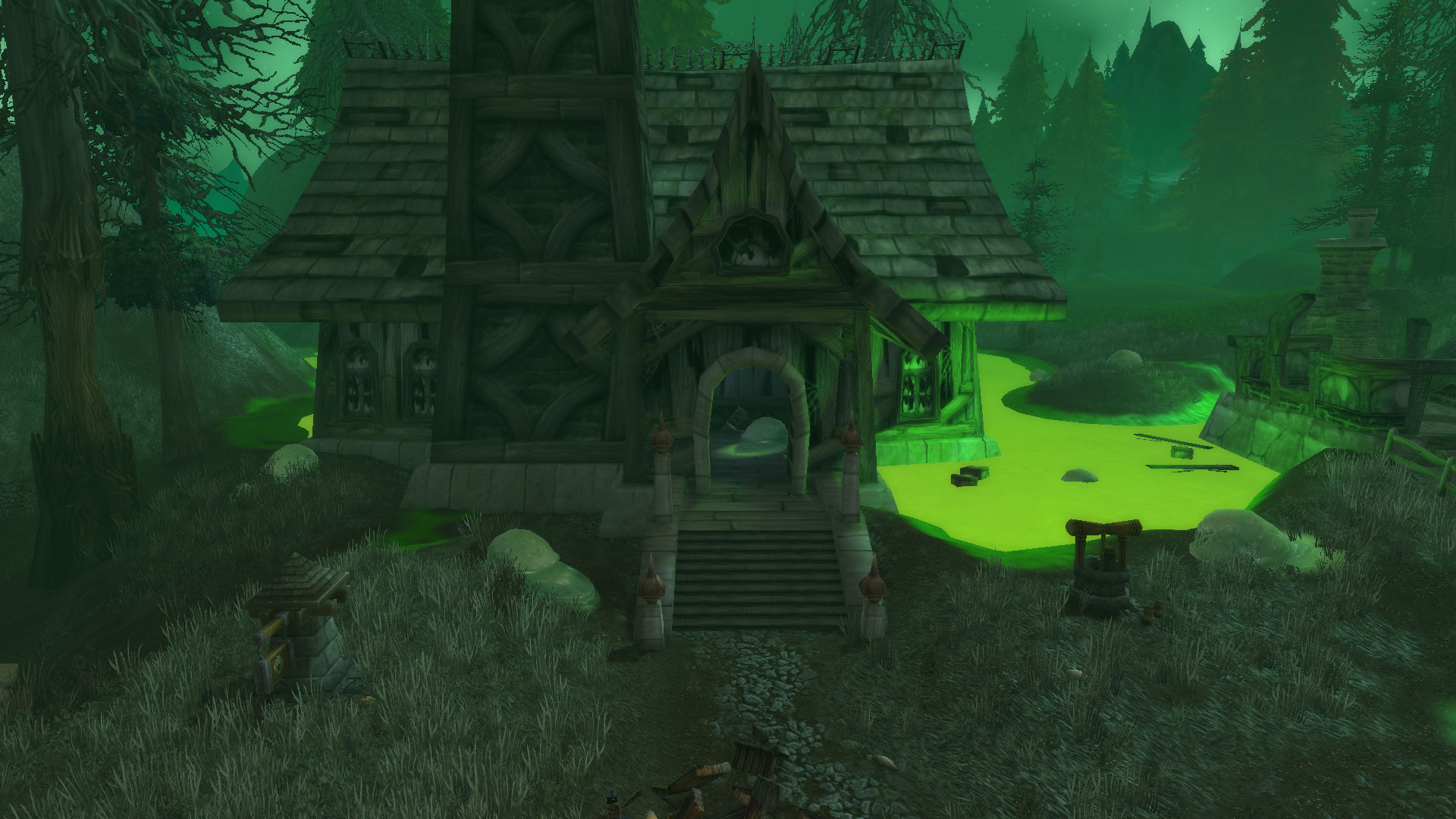
The legendary conflict between Southshore and Tarren Mill in World of Warcraft (WoW) represents one of the most iconic player-versus-player (PvP) experiences before the introduction of structured battlegrounds. These unscripted battles showcased the raw intensity of player engagement and server limitations, as thousands of players clashed in a fight for dominance. Understanding the mechanics and strategies behind these wars provides insight into the evolution of PvP in WoW. This guide delves into the historical significance, gameplay mechanics, and tactical considerations that defined these epic encounters.
What Made the Southshore vs Tarren Mill Wars So Iconic?
The Southshore vs Tarren Mill wars became iconic due to their massive scale, unscripted nature, and the sheer chaos they unleashed on game servers.
The battles between Southshore and Tarren Mill were not just skirmishes; they were full-scale wars that drew in players from both factions, often resulting in hundreds of participants. The lack of structured battlegrounds meant that players had to rely on their instincts and teamwork to navigate the chaos. These encounters were characterized by spontaneous alliances, betrayals, and the ever-present threat of ambushes, which made each battle unique and unpredictable. The intensity of these wars often led to server lag and crashes, highlighting the limitations of the game’s infrastructure at the time. Players would often spend hours engaged in these conflicts, leading to a sense of community and rivalry that defined the era.
Mechanically, the wars relied heavily on the game’s open-world PvP system, where players could engage in combat at will. The geography of the hills and forests surrounding Southshore and Tarren Mill played a crucial role in strategy, as players utilized terrain for ambushes and tactical retreats. The battles were often marked by the use of crowd control abilities, area-of-effect spells, and the strategic placement of healers. Players had to adapt quickly to the changing dynamics of battle, making split-second decisions that could turn the tide. This chaotic environment fostered a culture of creativity and strategy, as players experimented with different class combinations and tactics to gain an advantage.
How Did Players Organize and Execute These Massive Battles?
Players organized the Southshore vs Tarren Mill battles through informal alliances, communication tools, and a shared understanding of PvP tactics.
To coordinate these massive battles, players often relied on external communication tools such as forums, chat applications, and in-game messaging. Guilds played a pivotal role in organizing raids, with leaders rallying their members to participate in the ongoing conflict. The use of voice communication tools like TeamSpeak or Ventrilo became popular among dedicated players, allowing for real-time strategy discussions and tactical adjustments during battles. This level of organization was crucial as it enabled players to gather large numbers and execute coordinated attacks, often overwhelming their opponents through sheer force of numbers.
- Establish a communication channel: Use Discord or TeamSpeak to facilitate real-time coordination.
- Form alliances with other guilds: Collaborate with other factions to increase your numbers and strategic options.
- Designate roles within your group: Assign specific roles such as tanks, healers, and damage dealers to optimize effectiveness.
- Plan ambushes and retreats: Use the terrain to your advantage by planning strategic ambush points and escape routes.
Players also developed a set of unwritten rules and etiquette for engagement, such as respecting the opposing faction’s territory and refraining from ganking low-level players. This helped maintain a sense of honor among participants, even amidst the chaos. The battles often took on a life of their own, with players creating narratives around their experiences, further enhancing the lore of the conflict. This organic storytelling contributed to the community’s investment in the ongoing rivalry, making each battle not just a fight for territory, but a chapter in a larger saga.
What Were the Key Strategies Employed During the Wars?
Key strategies during the Southshore vs Tarren Mill wars included terrain utilization, class synergy, and coordinated assaults.
Understanding the geography of the battlefield was essential for success in these wars. Players often utilized the hills and forests to set up ambushes, taking advantage of line-of-sight mechanics to control engagements. For instance, ranged classes would position themselves on elevated terrain to rain down damage while melee classes engaged directly with the enemy. This strategic use of terrain allowed for effective crowd control and damage mitigation, as players could funnel enemies into choke points or lead them into traps. Additionally, the element of surprise was a critical factor; players would often wait in stealth or hidden locations to launch surprise attacks on unsuspecting foes.
| Strategy | Description | Effective Classes | Counter Strategies |
|---|---|---|---|
| Ambush Tactics | Utilizing terrain to surprise opponents | Rogues, Hunters | Scout ahead with a small group |
| Focus Fire | Concentrating damage on key targets | Mages, Warlocks | Disperse and spread out |
| Healing Support | Keeping key players alive during engagements | Priests, Druids | Target healers first |
Class synergy was another critical component of strategy. Players learned to combine their abilities effectively, creating powerful combinations that could devastate enemy forces. For example, a well-timed area-of-effect spell from a Mage could decimate a cluster of enemies, while a Druid could provide essential healing support to keep the frontline fighters alive. Coordinated assaults, where groups of players would strike simultaneously from multiple angles, were particularly effective in overwhelming opponents and breaking their lines. Understanding these strategies and adapting them to the fluid dynamics of battle was key to achieving victory.
What Impact Did These Wars Have on WoW’s PvP Evolution?
The Southshore vs Tarren Mill wars significantly influenced the design and implementation of structured PvP systems in World of Warcraft.
The sheer scale and chaotic nature of these unscripted battles highlighted the need for more organized PvP formats. Blizzard Entertainment took note of the player-driven events and the community’s desire for structured PvP, leading to the eventual introduction of battlegrounds in later expansions. These battlegrounds provided a more controlled environment for PvP, allowing players to engage in combat without the unpredictability of open-world skirmishes. The lessons learned from the Southshore vs Tarren Mill wars informed the design of these battlegrounds, emphasizing the importance of balance, strategy, and teamwork.
Moreover, the community’s engagement during these wars fostered a sense of rivalry and camaraderie that became a hallmark of WoW’s culture. Players formed lasting friendships and rivalries that extended beyond the game, creating a vibrant community that thrived on competition. This cultural shift towards organized PvP experiences paved the way for future innovations, such as arenas and seasonal competitions, which further refined the competitive landscape of WoW. The legacy of Southshore vs Tarren Mill continues to resonate in the game’s PvP design, reminding players of the chaotic yet exhilarating nature of unscripted warfare.
What Are the Best Practices for Engaging in Open-World PvP?
Best practices for engaging in open-world PvP include understanding your environment, coordinating with teammates, and adapting strategies on the fly.
When entering open-world PvP scenarios, players should familiarize themselves with the terrain and potential ambush points. Knowledge of the map can provide significant advantages, allowing players to set traps or avoid unfavorable engagements. Additionally, maintaining communication with teammates is crucial; utilizing voice chat or in-game messaging can facilitate quick decision-making and strategic adjustments. Players should also be prepared to adapt their tactics based on the evolving dynamics of battle, as the unpredictable nature of open-world PvP often requires flexibility and creativity.
Furthermore, understanding class strengths and weaknesses can enhance team effectiveness. Players should consider forming balanced groups that include various classes to cover different roles, such as damage dealing, healing, and crowd control. This diversity allows for more robust strategies and can help mitigate the impact of enemy attacks. Lastly, players should always be aware of their surroundings and remain vigilant for potential ambushes or reinforcements from the opposing faction. By following these best practices, players can maximize their effectiveness in open-world PvP engagements.
Frequently Asked Questions
What were the main reasons for the Southshore vs Tarren Mill wars?
The wars were primarily driven by faction rivalry and the desire for territorial control. Players sought to assert dominance over the contested areas, leading to spontaneous battles that drew in large numbers from both factions.
How did server limitations affect the battles?
Server limitations often resulted in lag and crashes during peak battle times, as the sheer number of players exceeded the server’s capacity. This technical strain highlighted the need for better infrastructure and led to improvements in future expansions.
What lessons can modern players learn from these historical battles?
Modern players can learn the importance of teamwork, strategy, and adaptability in PvP scenarios. The chaotic nature of the Southshore vs Tarren Mill wars emphasizes the value of communication and the effective use of terrain in combat.